Start with the visitor’s job
A useful brief does not begin with a list of pages or a favorite animation. It names the person visiting, the question they need answered and the action the business can actually support. Choose one primary journey first; an existing customer seeking help can have a separate route without competing for the opening screen.
Here is a worked fictional brief for Juniper Driveway Co. The business, people and requirements are invented for this example, not a customer project or reported result.
- Service: replace existing residential concrete driveways in Murray and Midvale, Utah. Exclude patch repairs, decorative resurfacing and commercial parking lots from this release.
- Customer: an owner-occupier comparing replacement contractors on a phone, with an existing driveway they can describe but no reliable measurements.
- Decision: establish whether Juniper handles this kind of job in their area, inspect relevant work and request a site assessment.
- Next step: request an assessment, subject to a conversation. The form does not book an appointment, issue a quote or take a deposit.
- Business handoff: Sam, the fictional coordinator, reviews requests; Leah, the owner, approves service wording and the release.
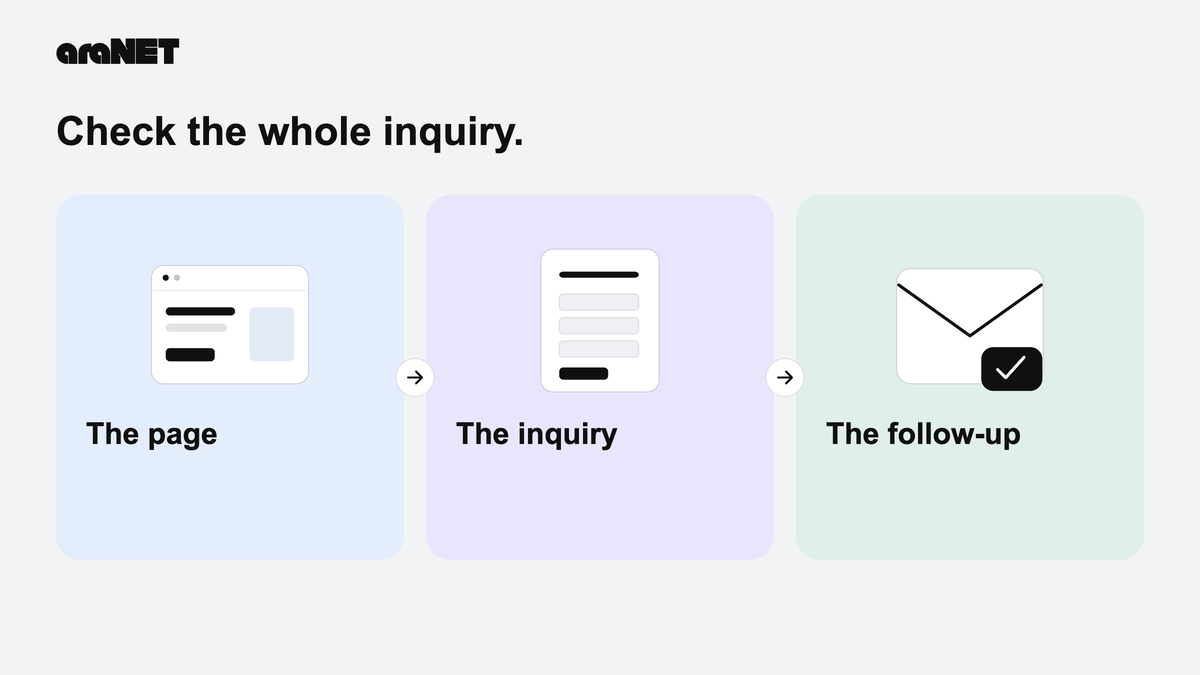
Those decisions give each screen a job. The first screen explains driveway replacement and the service area. The work page supplies evidence. The enquiry route gathers enough information for Sam to decide what to ask next.
Describe the offer in plain language
Write down what is included, what is excluded and what depends on a conversation. “Modern and trustworthy” gives the designer little to work with. “Explain removal and replacement, show comparable driveways and help homeowners request an assessment” determines both content and structure.
For Juniper, the proposed pages are Home, Driveway replacement, Our work, About and Request an assessment. The service page should answer whether removal is included, how access is discussed and what happens during an assessment. Leah must supply those answers before the copy is approved; the designer should not infer construction methods or warranty terms.
Keep a short decision log. This release excludes online estimates because the business has not defined a reliable estimating process. It excludes appointment slots because Sam must confirm availability. These are scope choices with named reasons, so neither quietly returns as a half-built feature.
Gather evidence before choosing a layout
Collect the assets you have permission to use. Separate finished work from concepts, sample content and stock imagery. A gallery is more useful when the reader knows what they are looking at.
- For each driveway example, Leah supplies an approved photograph, a factual caption describing the work and publication permission. Record any missing permission beside the asset.
- For the offer, Leah supplies the service-area list, exclusions and answers to the assessment questions.
- For continuity, list existing public URLs and the intended destination for each page being replaced.
- For identity, provide original logo files and any established type or color guidance.
Missing material is a scope decision. If there are no cleared job photographs, agree a text-led first release or a separate photography task. Do not fill the gap with stock work presented as Juniper’s own. Set a content approval checkpoint before treating incomplete material as a layout problem.
Map the enquiry beyond the form
For this brief, request a name, reply email, city and short description. Make a phone number optional. Ask for the full property address later if Sam needs it to arrange an assessment. A person without dimensions should still be able to enquire.
Specify the route: Sam receives the request through the agreed business inbox and records whether it needs clarification, is suitable for an assessment or falls outside the service. Leah covers Sam’s absence. Agree a response expectation the team can actually meet before printing it on the site.
W3C’s form-label guidance explains how labels identify controls and should be associated with them. Pair that implementation with plain questions and visible required-field instructions. Define separate messages for confirmed receipt, failure and uncertain receipt; only promise what the delivery path can establish.
Agree on a release you can check
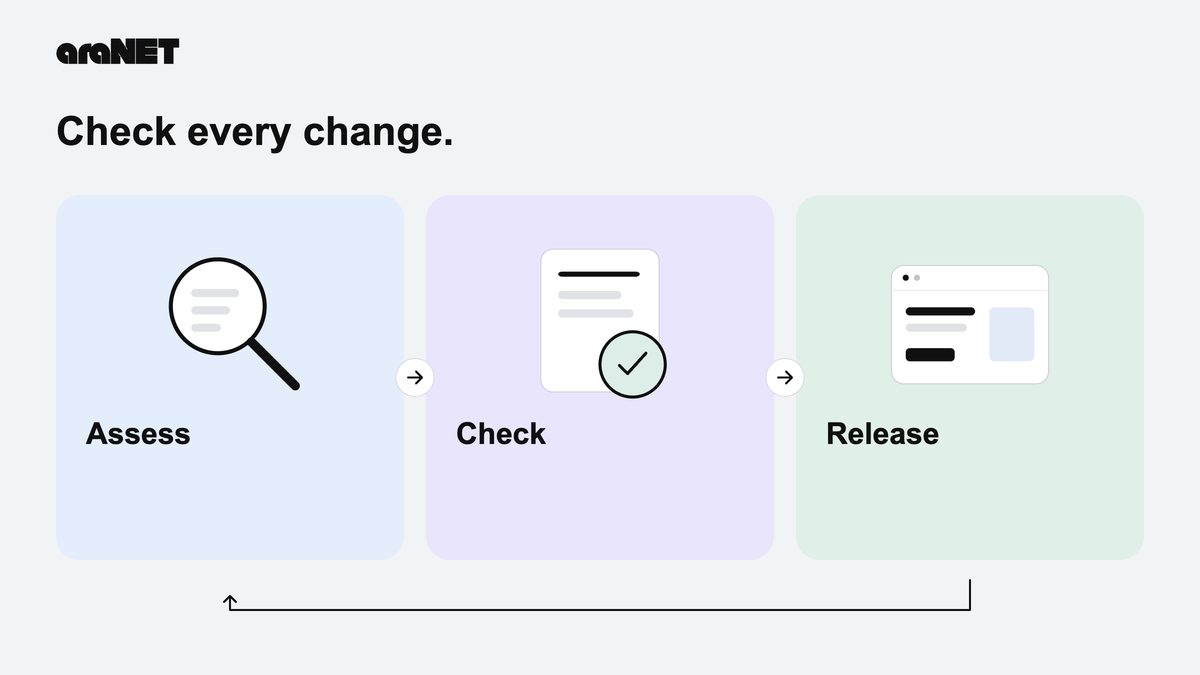
Acceptance belongs in the brief, alongside the pages and assets. For the fictional build, Leah signs off when these checks have recorded results:
- On a phone, a reviewer can find the service area, exclusions, a relevant work example and the assessment route.
- In a controlled test, missing required details produce useful feedback and entered text survives a failed attempt.
- A labeled test enquiry follows the agreed route; Sam confirms receipt and can explain the next action. An unavailable delivery path does not display a successful receipt.
- Each retained URL works, each agreed replacement reaches its intended destination and the business contact details match the approved copy.
- Leah can access the agreed accounts, identify the content owner and find the handoff with outstanding items, renewal responsibilities and future-change instructions.
Bring this brief and its unanswered questions to the website scope conversation. Page count, visual treatment and optional care can then follow a service and handoff everyone understands.