Introduction
OpenAI released GPT-6.1 Terra on October 26, with a focus on visual reasoning, computer use and writing. Its announcement describes work such as interpreting drawings and moving invoice information into accounting software. Those are vendor examples, rather than results measured by araNET.
What changed
Terra adds another model choice for work involving screens, documents and software. OpenAI positions it below GPT-6.1 Sol and GPT-6 Astra in price, while retaining those models as better choices for the most complex coding work.
For a small business, the question is which specific job deserves a trial. Preparing an entry from an invoice is a useful candidate because someone can compare the proposed fields against the original. “Handle our accounting” leaves too much undefined.
Start with a draft someone can check
Our approach would be to test one narrow task in a review environment. Use a few permitted example documents, define the fields the task needs, and decide what should happen when information is missing.
For an invoice-entry trial, the output could contain the supplier, invoice number, date and total, together with a reference to the original document. A missing invoice number should stay unresolved. It should not become a plausible guess that looks complete.
Keep the first trial at the preparation stage. A person checks the entry before it reaches the accounting system. This is a proposed evaluation approach, not a feature araNET has shipped or a claim that Terra completes it reliably.
Availability and cost
OpenAI lists access in ChatGPT Work and Codex for Plus, Pro, Enterprise and Edu, and through the API as gpt-6.1-terra. The release notes specify that Terra is not in Chat and that API billing is separate from a ChatGPT subscription.
The published standard API rates are $1 per million input tokens, $0.05 for cached input and $5 for output. The release notes also exclude UAE inference residency.
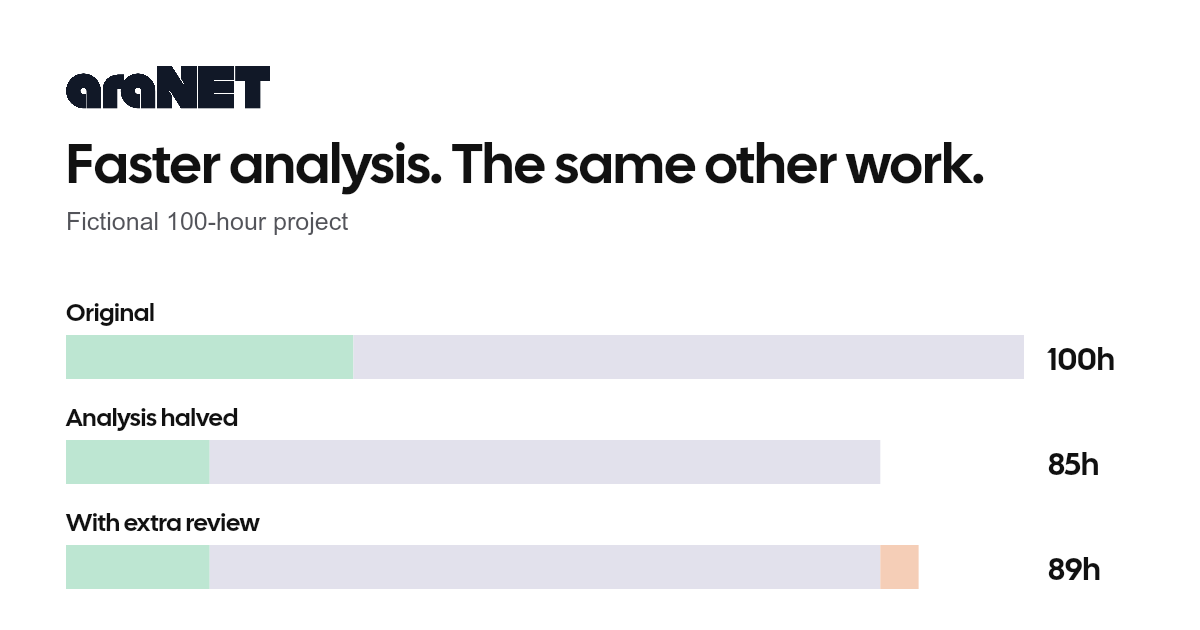
Token prices do not tell you what a finished job costs. Include retries, software connections and the time spent reviewing or correcting the result. Compare the same examples with the existing process before deciding whether to expand the trial.
What still needs checking
A launch announcement cannot establish whether a model handles your documents or software correctly. Test ordinary cases, missing fields and a request outside the agreed task. Record completed entries, corrections and unresolved cases separately.
The useful result is a task you can inspect from its source to its final entry. Choose the model after that comparison, rather than making the workflow depend on the announcement.